
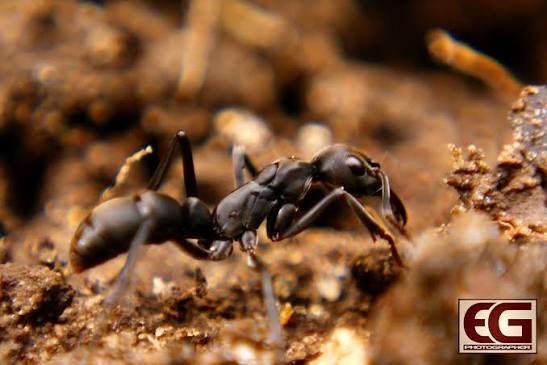
Ants 101: Behavior, Benefits, and How to Keep Them Out of Your Home
Few creatures are as small yet as fascinating as the ant. With over 12,000 known species worldwide, ants are among the most successful organisms on Earth, thriving on every continent except Antarctica. They build complex societies, communicate through chemical signals, and can lift objects many times their own body weight. Yet for most of us, ants are best known for one thing: showing up uninvited in the kitchen.
This guide explores what makes ants remarkable, why they matter to ecosystems, and how to manage them effectively—whether you’re curious about their biology or trying to keep them out of your home.
What Are Ants?
Ants are social insects belonging to the family Formicidae, closely related to bees and wasps. They live in colonies that can range from a few dozen individuals to millions, all working together in a highly organized system.
Colony Structure
Every ant colony revolves around a caste system:
- The queen — responsible for laying eggs and founding the colony. Some queens live for decades.
- Workers — sterile females that forage, build, and defend the nest.
- Males — exist briefly, usually only to mate with a new queen.
This division of labor allows colonies to function almost like a single organism, a concept scientists call a “superorganism.”
How Ants Communicate
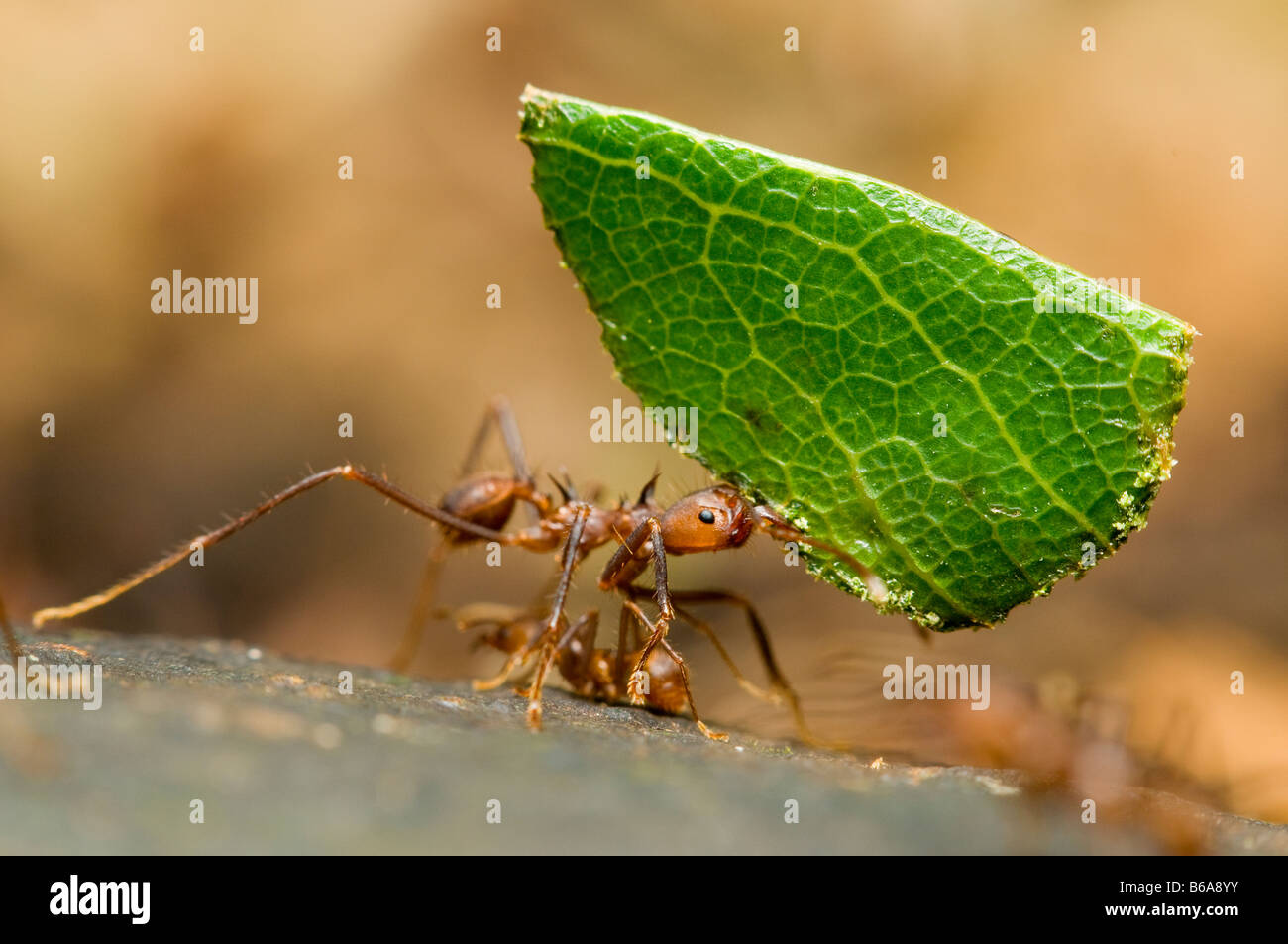
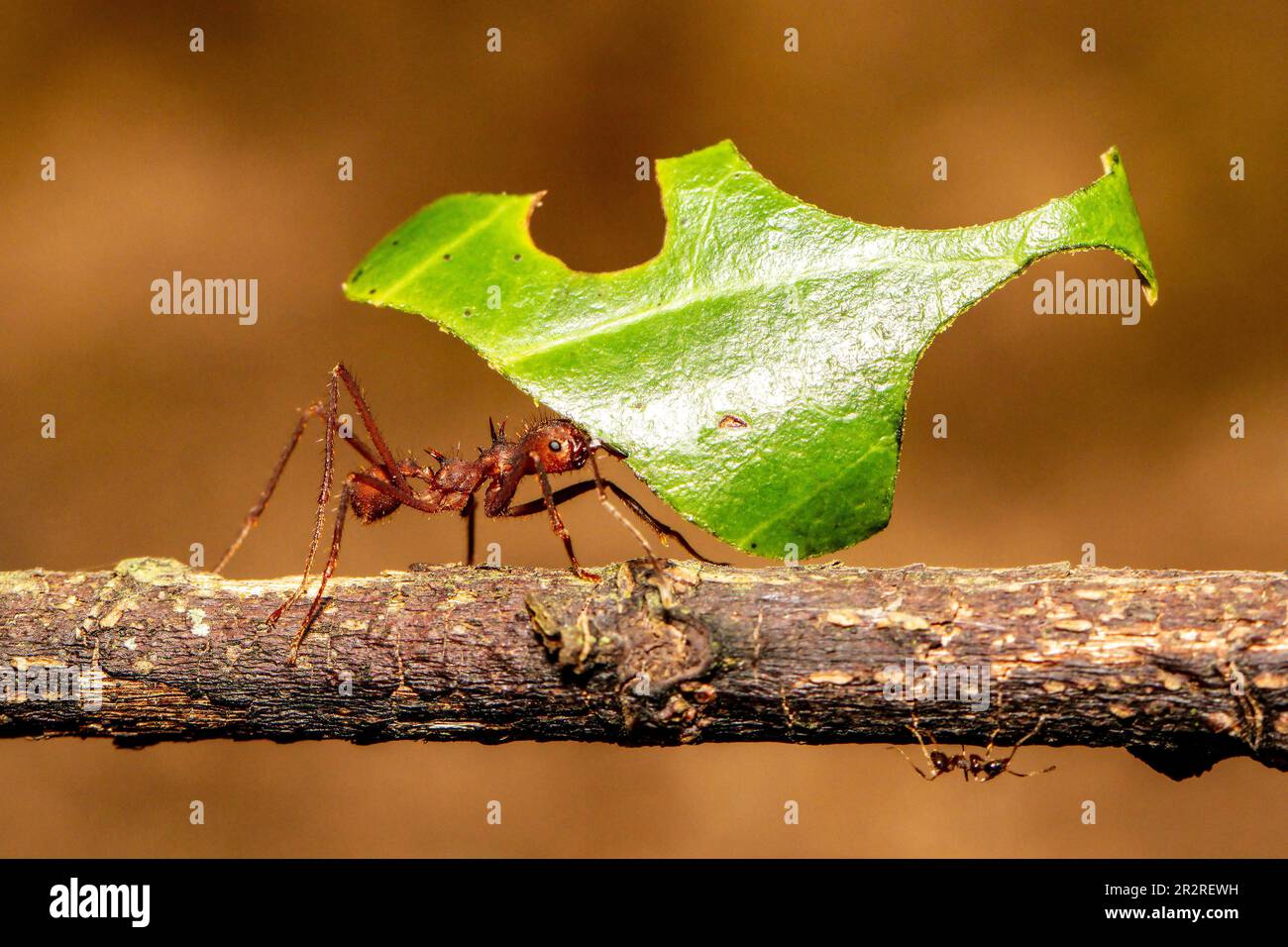
Ants don’t have vocal cords, so they rely on pheromones—chemical signals—to communicate. When a worker ant finds food, it lays a pheromone trail back to the nest, allowing other ants to follow the same path. This is why ants often appear to travel in perfect lines.
Alamy
Image unavailable
Alamy
Results from the web(opens in new tab)
Why Ants Matter to the Ecosystem
It’s easy to see ants as pests, but they play a critical role in maintaining healthy ecosystems.
Natural Soil Engineers
Ants aerate soil as they dig tunnels, improving water drainage and nutrient circulation—similar to the role earthworms play. This benefits plant growth and overall soil health.
Seed Dispersal and Pollination
Many ant species help spread seeds by carrying them back to their nests, a process known as myrmecochory. Along the way, some ants also assist in pollination, contributing to biodiversity.
Natural Pest Control
Certain ant species prey on other insects, including pests that damage crops and gardens. This makes them valuable allies for farmers and gardeners when kept in balance.
Common Types of Ants You Might Encounter
Carpenter Ants
Large, dark-colored ants that tunnel through wood to build nests. Unlike termites, they don’t eat wood but can still cause structural damage over time.
Odorous House Ants
Small, brown-to-black ants that emit a rotten coconut-like smell when crushed. They’re among the most common home invaders, especially in kitchens.
Fire Ants
Reddish-brown ants known for their painful, venomous sting. Found mostly in warm climates, they build large mound nests in yards and open fields.
Pavement Ants
Small, dark brown ants that nest under sidewalks, driveways, and foundations. They’re common in urban and suburban areas.
How to Prevent and Control Ants at Home
If ants have made their way indoors, a few practical steps can help you regain control—without resorting to harsh chemicals right away.
1. Eliminate Food and Water Sources
Ants are drawn indoors by easily accessible food and moisture. Store food in sealed containers, wipe down counters, and fix leaky pipes or faucets promptly.
2. Seal Entry Points
Inspect your home’s exterior for cracks, gaps around windows, and openings near utility lines. Sealing these entry points with caulk can prevent ants from finding their way in.
3. Disrupt Pheromone Trails
Wiping down surfaces with vinegar or soapy water removes the scent trails ants use to navigate, making it harder for them to relocate food sources.
4. Use Bait Stations
Ant baits allow worker ants to carry poison back to the colony, effectively targeting the queen and eliminating the nest at its source—more effective than simply killing visible ants.
5. Address the Nest Directly
For persistent infestations, especially with carpenter ants or fire ants, locating and treating the nest directly (or calling a pest control professional) is often necessary for long-term results.
6. Try Natural Deterrents
Cinnamon, diatomaceous earth, and citrus peels are commonly used as natural ant deterrents. While not always as fast-acting as chemical treatments, they’re a safer option around children and pets.
When to Call a Professional
If ant colonies are large, recurring, or causing structural damage—particularly with carpenter ants—it’s worth consulting a licensed pest control service. Professionals can identify the species, locate the nest, and apply targeted treatments that DIY methods often miss.
Final Thoughts
Ants are far more than a household nuisance—they’re incredibly efficient, socially complex insects that play a meaningful role in the natural world. Understanding their behavior not only satisfies curiosity but also makes it easier to manage them effectively when they overstep into your home.
Whether you’re fascinated by their teamwork and communication or simply trying to keep your kitchen ant-free, a little knowledge goes a long way. Combine preventive habits with targeted treatment methods, and you’ll be well-equipped to keep these tiny powerhouses exactly where they belong—outside.