
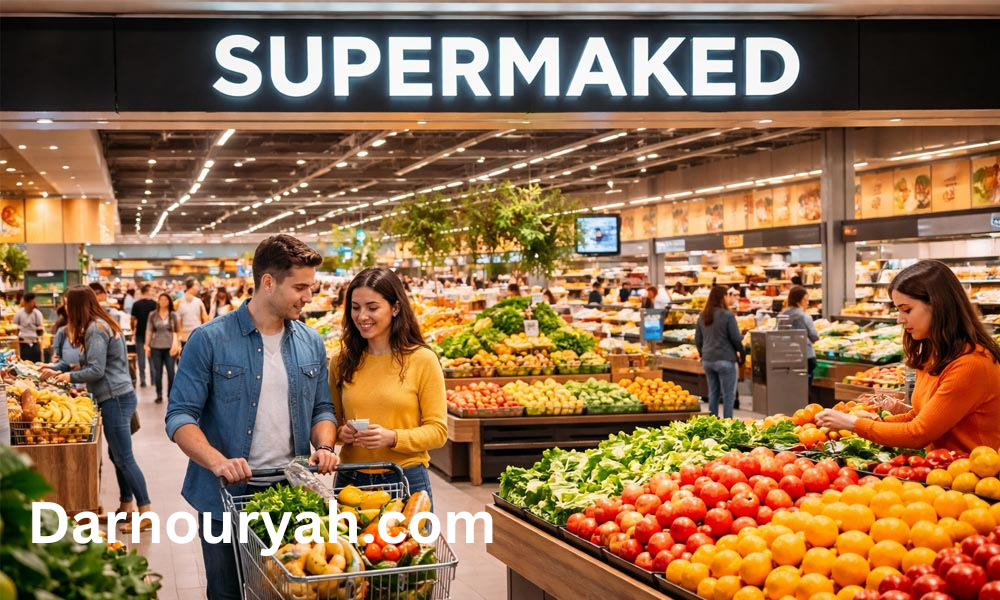
Supermarkets are a staple in our everyday lives. We visit them for groceries, household supplies, and even the occasional treat. But have you ever paused to think about the fascinating history and clever strategies behind these retail giants? From their humble beginnings to modern innovations, supermarkets are more than just aisles filled with products; they’re dynamic spaces that reflect cultural shifts and consumer behavior. Whether you shop at your local market or prefer online options, there’s so much more happening beneath the surface. Let’s dive into ten surprising facts about supermarkets that might just change how you view your next shopping trip!
Top 10 Surprising Facts You Didn’t Know About Supermarkets
Supermarkets have fascinating origins. The concept of retail food sales dates back centuries, with markets evolving from open-air stalls to more organized venues. The first self-service grocery store opened in the 1910s, revolutionizing how people shopped for food.
Today, supermarkets are not just local hubs but global players. They adapt their strategies based on consumer behavior and trends. From layout designs that encourage impulse buys to sections dedicated to organic products, every detail is meticulously planned to enhance your shopping experience.
Early History of Retail Food Sales
The early days of retail food sales date back to ancient civilizations. Markets thrived in Mesopotamia and Egypt, where merchants sold grains, fruits, and vegetables. These open-air bazaars were bustling hubs of activity.
As societies evolved, so did the concept of food distribution. By the Middle Ages, local shops emerged, providing staples to communities. This laid the groundwork for what would eventually transform into modern grocery stores we know today. The journey from stall to supermarket has been a fascinating one.
Birth of the Supermarket
The supermarket as we know it began in the 1930s. A man named Michael J. Cullen opened King Kullen in New York, which revolutionized shopping by offering a wide variety of goods under one roof. This concept allowed customers to browse and select their items freely.
Cullen’s innovative approach included self-service aisles and low prices, making grocery shopping more accessible for everyone. It was a game changer that laid the groundwork for modern supermarkets worldwide, changing how people shopped forever.
International Expansion
Supermarkets have expanded their reach across the globe, adapting to various cultures and consumer preferences. This international growth often involves tweaking product selections to cater to local tastes while maintaining the core supermarket experience.
From Europe to Asia, multinational chains dominate markets by offering a blend of familiar brands and region-specific items. The success lies in understanding regional shopping habits, making it essential for supermarkets to innovate continuously as they enter new territories.
Layout Strategies
Supermarkets are designed with purpose, using layout strategies that guide shoppers through the aisles. The placement of items can influence buying behavior. For instance, essentials like milk and bread are often at the back, enticing customers to stroll past other tempting products.
Wide aisles create a sense of space while strategically placed end caps showcase promotions. Bright lighting draws attention, while calming colors encourage longer visits. These psychological tricks ensure supermarkets maximize sales without overtly pushing you to buy more than intended.
Typical Supermarket Merchandise
Supermarkets are treasure troves of variety. From fresh produce and dairy products to frozen meals and household items, they cater to diverse tastes and needs. Shoppers can find everything from organic fruits to exotic spices, making it easy to explore different cuisines.
Beyond food, supermarkets often carry health and beauty products, pet supplies, and seasonal items. This wide assortment ensures that customers can complete their shopping in one convenient stop without having to visit multiple stores for everyday necessities.
Growth in Developing Countries
The growth of supermarkets in developing countries is transforming local economies. As urbanization increases, more people are turning to these modern retail outlets for convenience and variety.
Supermarkets provide access to a wider range of products while creating job opportunities. This shift also encourages better supply chain practices and enhances food safety standards, benefiting communities as a whole. With their expansion, consumers have greater purchasing power and improved choices that were once limited or unavailable.
Self-Service Grocery Stores
Self-service grocery stores revolutionized the shopping experience. They allowed customers to select items at their own pace, fostering independence and convenience. This model emerged in the early 20th century, changing how people interacted with food retail.
Shoppers could now browse aisles freely instead of relying on clerks for assistance. The success of this format led to its rapid adoption worldwide, paving the way for modern supermarkets as we know them today. It transformed a mundane task into an engaging outing for many families.
Online-Only Supermarkets (21st Century)
The rise of online-only supermarkets has transformed how we shop for groceries. With just a few clicks, consumers can access a vast array of products delivered straight to their doorsteps. This convenience is particularly appealing in our fast-paced world.
Many online platforms offer subscription services and personalized recommendations based on shopping habits. As technology advances, the grocery experience continues to evolve, making it easier than ever for shoppers to find what they need without stepping foot outside.
Criticisms
Supermarkets face significant criticisms, primarily for their impact on local businesses. Many small shops struggle to compete with the low prices and variety offered by larger chains. This often leads to a decline in community-centered stores that provide unique products.
Additionally, concerns about food waste are rampant. Supermarkets frequently discard unsold items instead of donating them. The reliance on plastic packaging also raises environmental alarms as consumers push for more sustainable practices in retail settings.
Organic and Environmentally-Friendly Supermarkets
Organic and environmentally-friendly supermarkets have gained immense popularity in recent years. Consumers are increasingly aware of the impact their choices have on health and the planet. These markets prioritize organic produce, sustainable sourcing, and eco-friendly packaging.
Many now offer local products to reduce carbon footprints. Shoppers can find everything from fresh fruits to natural cleaning supplies under one roof. This shift not only caters to ethical consumers but also supports local farmers.
As awareness grows around issues like climate change, these supermarkets play a critical role in driving positive change within the retail food landscape. They encourage shoppers to make informed decisions aligned with their values while promoting sustainability in everyday life.