
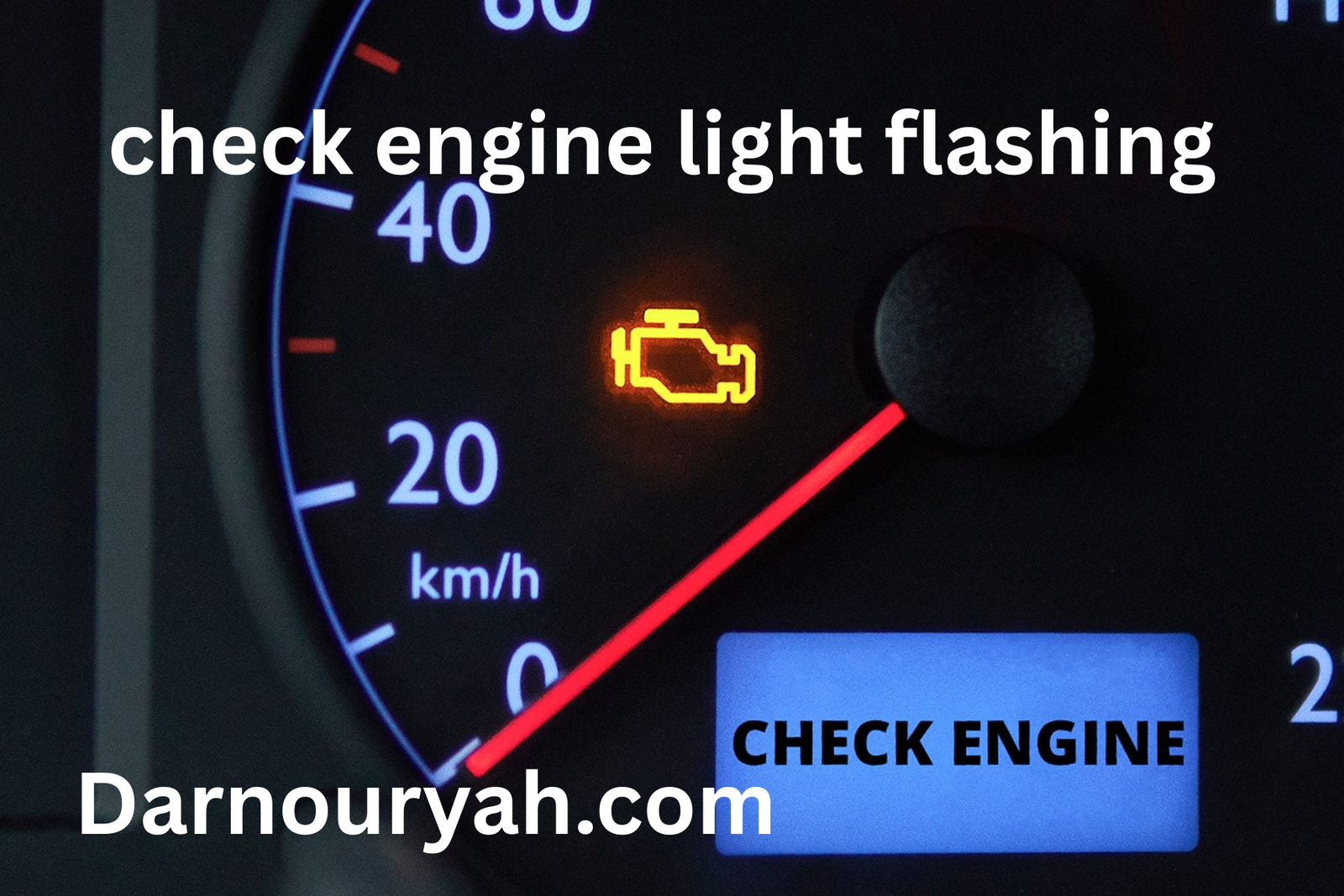
Picture this: you’re cruising down the road, music playing, and suddenly your check engine light starts flashing like a disco ball. Panic sets in as you wonder what could possibly be wrong with your beloved vehicle. A flashing check engine light is not just an annoying distraction; it’s a signal that demands immediate attention. Ignoring it could lead to serious consequences for both your wallet and safety. So, let’s dive into the world of warning lights and uncover what that blinking beacon really means for you and your car!
What a Flashing Check Engine Light Actually Means
A flashing check engine light indicates a serious issue that requires immediate attention. Unlike the steady glow, which might signal minor concerns, this rapid blinking means your engine is misfiring or struggling in some way.
Driving with a flashing light can lead to severe damage and costly repairs. It’s your car’s way of saying something is wrong, and ignoring it could spell trouble down the road. Don’t dismiss it; take action as soon as possible for your vehicle’s health.
Common Problems Behind a Flashing Check Engine Light
A flashing check engine light indicates urgent issues that require immediate attention. Often, it points to problems within the engine or transmission systems. Ignoring this warning can lead to more severe damage and costly repairs.
Common culprits include a misfiring engine, fuel system malfunctions, or ignition system failures. Each of these issues disrupts your vehicle’s performance and efficiency. Addressing them promptly is essential for maintaining your car’s health and safety on the road.
Top 3 Emergency Causes of a Flashing Check Engine Light
A flashing check engine light signals serious issues that need immediate attention. The most common cause is a misfiring engine, which can lead to severe damage if not addressed quickly.
Issues with the ignition system and fuel system malfunctions are also frequent culprits. These problems disrupt your vehicle’s performance and may impact your safety on the road. Addressing these concerns as soon as they arise is crucial for maintaining your car’s health.
Misfiring Engine: The Most Common Culprit
A misfiring engine is one of the leading reasons behind a check engine light flashing. This issue occurs when one or more cylinders fail to ignite properly. The result? Reduced power, poor fuel efficiency, and increased emissions.
You might notice your vehicle shaking or stumbling during acceleration. Ignoring this problem can lead to further damage over time, making it essential to address any signs of misfire promptly. Keeping an eye on performance may help you catch these issues early.
Issues With the Ignition System
A malfunction in the ignition system can trigger a check engine light flashing. This could stem from faulty spark plugs, worn-out ignition coils, or even issues with the wiring. Each of these components plays a crucial role in starting your vehicle and keeping it running smoothly.
When any part of this intricate system fails, it disrupts the combustion process. As a result, you may experience poor acceleration or rough idling alongside that blinking warning light. It’s essential to address these problems promptly.
Fuel System Malfunction
A fuel system malfunction can trigger your check engine light to flash, indicating serious trouble. This issue may arise from a clogged fuel filter or failing fuel pump. When the engine doesn’t receive enough fuel, performance deteriorates quickly.
Symptoms often include rough idling and stalling. Ignoring this sign might lead to more significant damage, affecting overall vehicle function. Addressing it promptly ensures you maintain optimal driving conditions and avoid further complications down the road.
Severe Engine Misfire
A severe engine misfire is a serious issue that demands immediate attention. It occurs when one or more cylinders fail to ignite the air-fuel mixture properly, leading to an uneven power output. This can cause your vehicle to shake and lose acceleration.
The consequences of ignoring this problem can be dire. A severe misfire may damage critical components like the catalytic converter, resulting in costly repairs down the line. If you notice this symptom, it’s best to seek help right away.
Immediate Steps: What to Do on the Side of the Road
If your check engine light is flashing, the first step is to pull over safely. Find a level spot away from traffic and turn off your engine. This helps prevent further damage.
Once parked, assess the situation. Check for any unusual sounds or smells. If you notice something concerning, stay put and wait for help. It’s better to be cautious than risk driving with a potentially serious issue lingering under the hood.
Professional Recovery Recommendations
If your check engine light is flashing, seeking professional help is crucial. A certified technician has the tools and expertise to diagnose the issue accurately. They can access onboard diagnostics for error codes that inform them of underlying problems.
Don’t delay in scheduling a visit if you’re unsure about the severity of the situation. Prompt attention can prevent further damage, potentially saving you from costly repairs down the line. Prioritize safety and let professionals handle it when in doubt.
Kia Check Engine Light Reset
Resetting the check engine light on your Kia can be a straightforward process. Often, disconnecting the battery for about 15 minutes will do the trick. This method clears any stored codes, allowing your vehicle to recalibrate.
Another option is using an OBD-II scanner. Plug it into the diagnostic port and follow prompts to erase trouble codes. Regularly monitoring your vehicle’s performance can help prevent future occurrences of unwanted flashing lights too.
Driver Habits That Can Trigger a Blinking Check Engine Light
Certain driver habits can lead to a blinking check engine light, often signaling underlying issues. For instance, frequent hard acceleration and abrupt braking can strain the engine components over time, resulting in performance problems.
Neglecting regular maintenance also plays a role. Skipping oil changes or ignoring air filter replacements can impact engine efficiency. Even using low-quality fuel may cause misfires or other complications that trigger the warning light. Being mindful of these habits helps maintain your vehicle’s health.
Symptoms You May Feel When the Light Starts Flashing
When your check engine light starts flashing, you might feel a sudden shift in your vehicle’s performance. It could exhibit rough idling, stalling, or even hesitation when accelerating.
You may also notice unusual sounds like knocking or pinging from the engine. These symptoms can indicate serious issues that require immediate attention to prevent potential damage and ensure safe driving conditions. Stay alert for any changes in how your car operates during this critical moment.
What You Should Do Right Away When It Starts Blinking
When your check engine light starts blinking, it’s a signal that something is seriously wrong. The first step is to pull over safely as soon as possible. Turn off the engine and give yourself a moment to assess the situation.
Next, check for any unusual sounds or smells coming from under the hood. If you notice anything concerning, it’s best not to restart the vehicle. Instead, call for roadside assistance or arrange for towing to a trusted mechanic immediately.
When to Stop Driving and Call a Pro
When the check engine light is flashing, it’s crucial to pay attention. If you notice a rapid blinking or if your vehicle starts shaking, pull over as soon as it’s safe. Continuing to drive can cause severe damage and costly repairs.
If you’re unsure about your car’s condition or experience concerning symptoms like strange noises or loss of power, don’t hesitate to call for professional help. A mechanic has the tools and expertise needed to diagnose issues effectively.
Remember, safety should always come first. If you’re ever in doubt, it’s better to err on the side of caution and seek assistance from a qualified technician who can get you back on the road safely.